
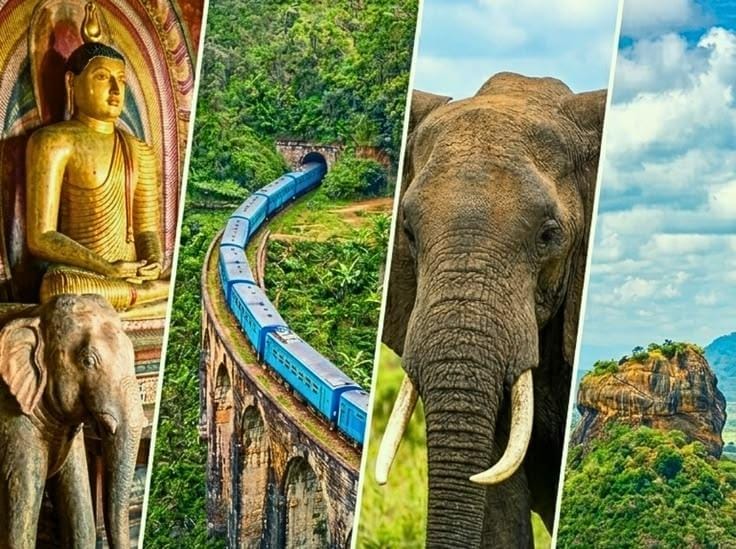
Discover
Sri Lanka.
Explore Sri Lanka’s most beautiful destinations, from ancient cities and misty mountains to golden beaches and wild national parks.
Explore Our Destinations
Every part of Sri Lanka has a story to tell. Discover ancient kingdoms, cultural landmarks, mountain escapes, coastal towns and extraordinary natural landscapes.
 01
Anuradhapura
Discover More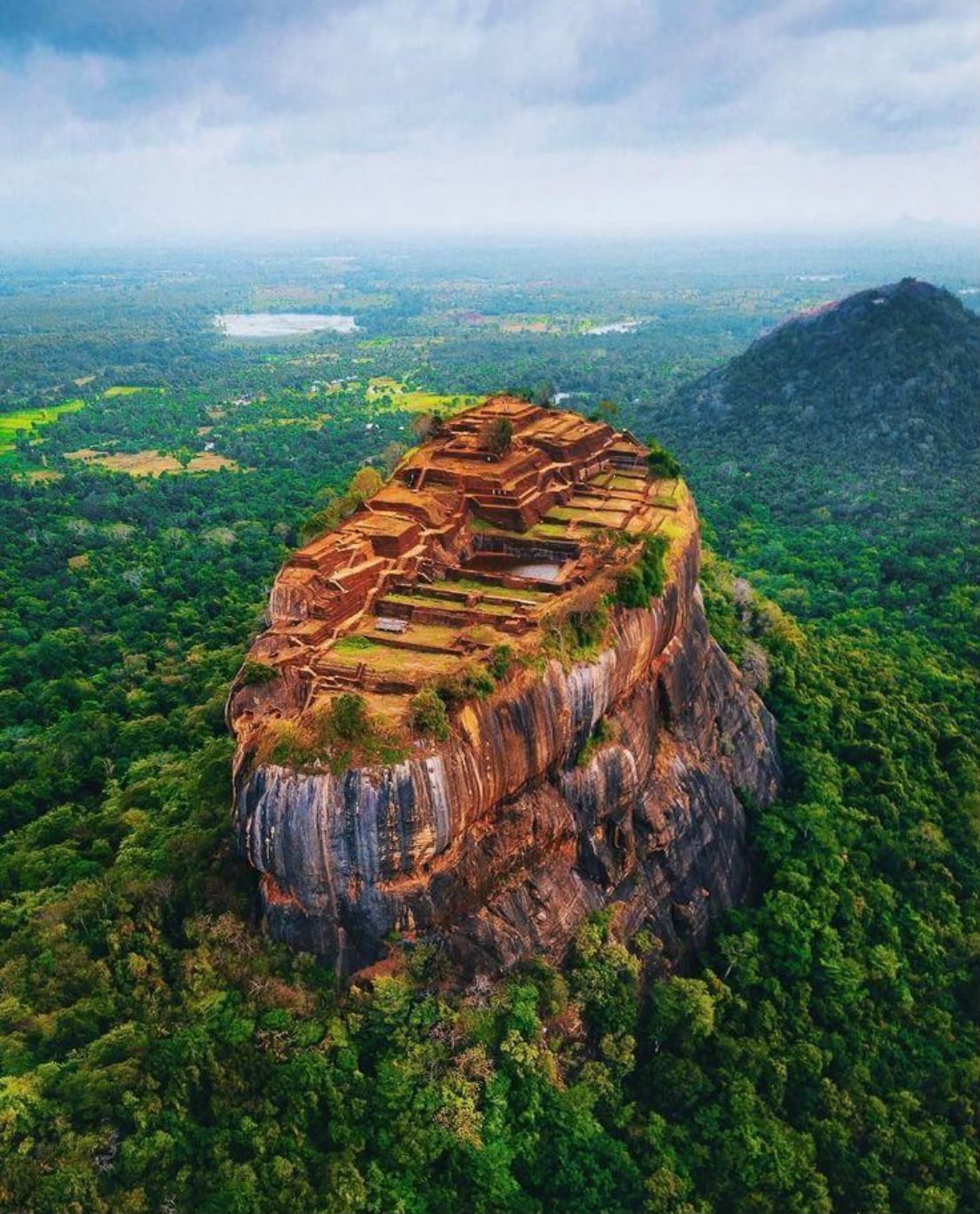 02
Sigiriya
Discover More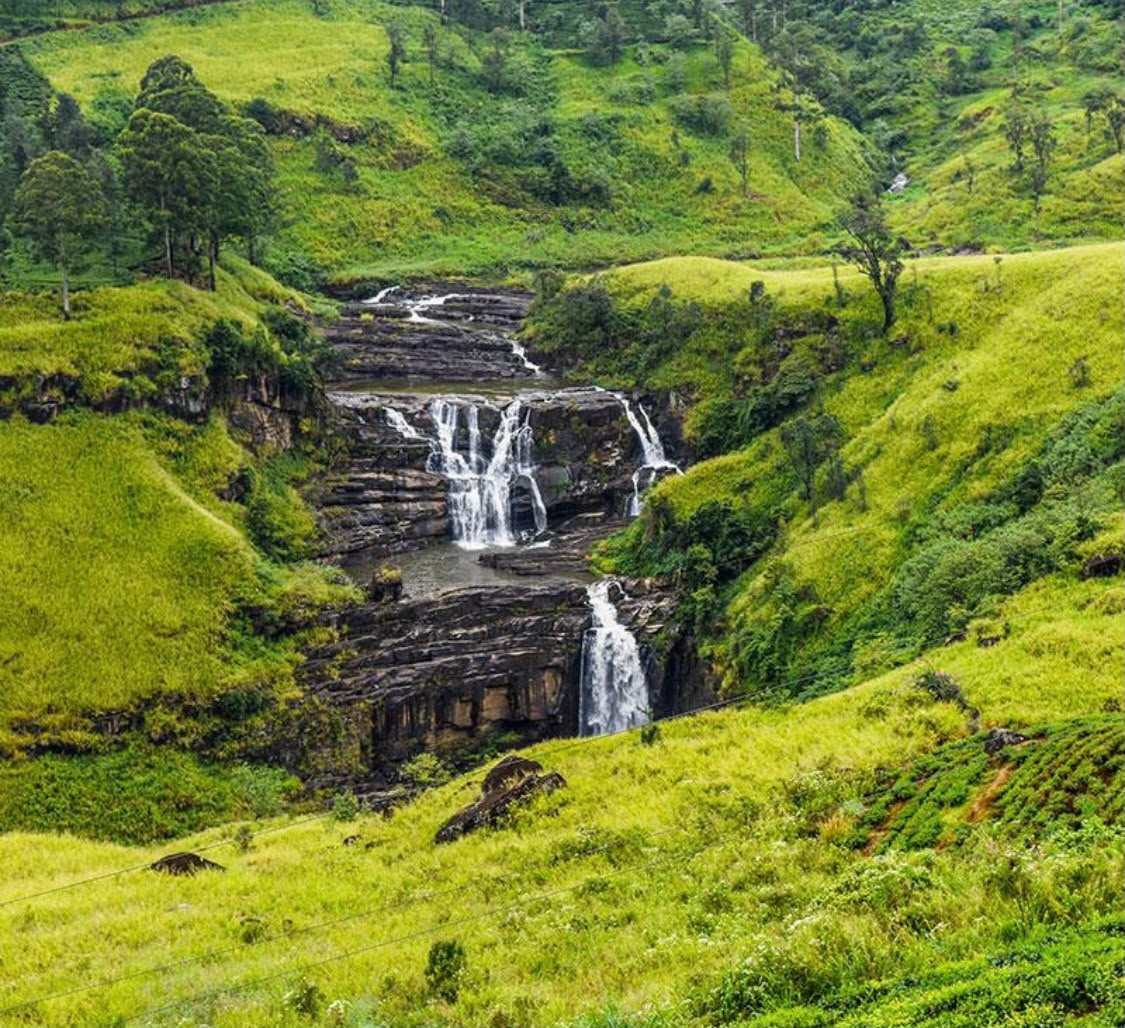 03
Nuwara Eliya
Discover More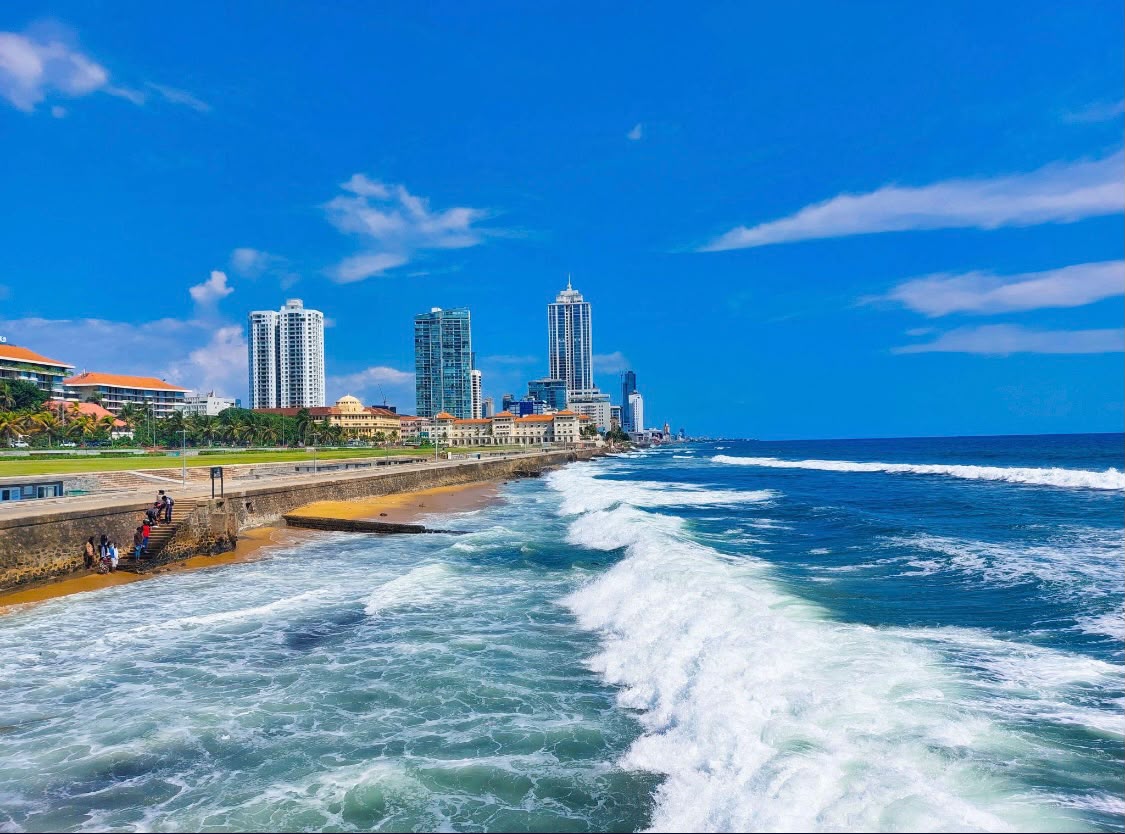 04
Colombo
Discover More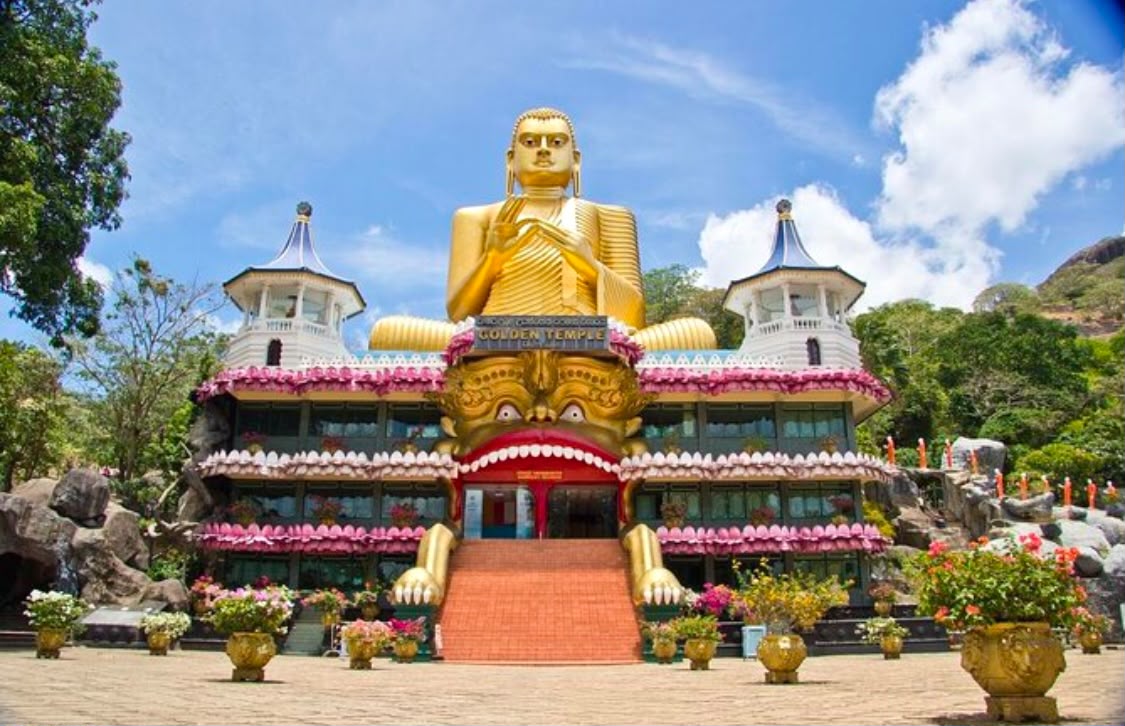 05
Dambulla
Discover More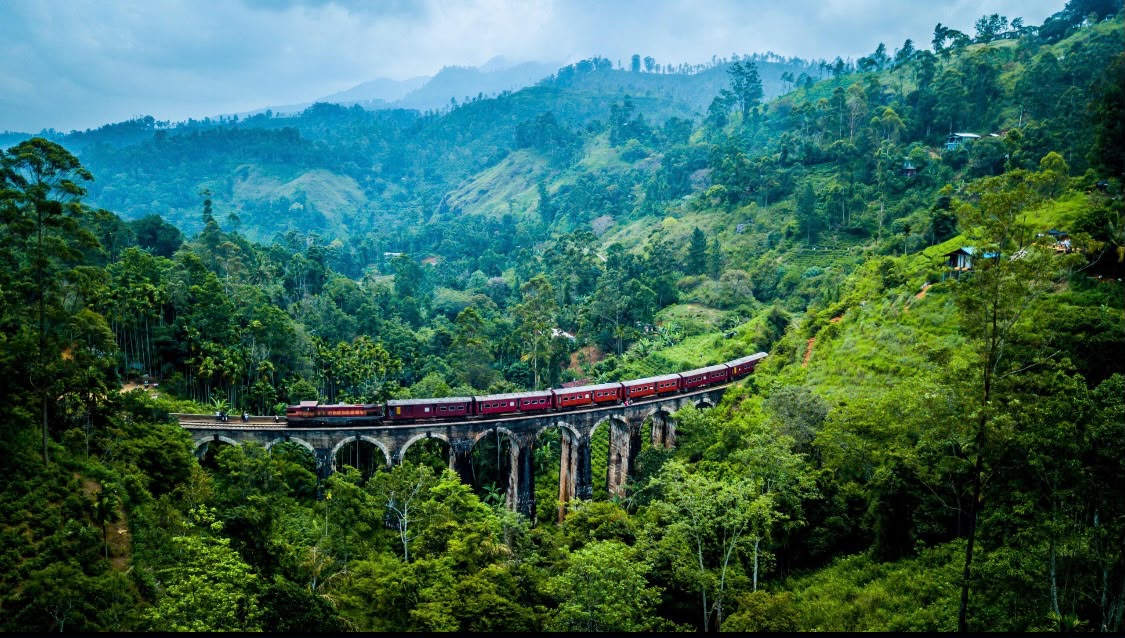 06
Ella
Discover More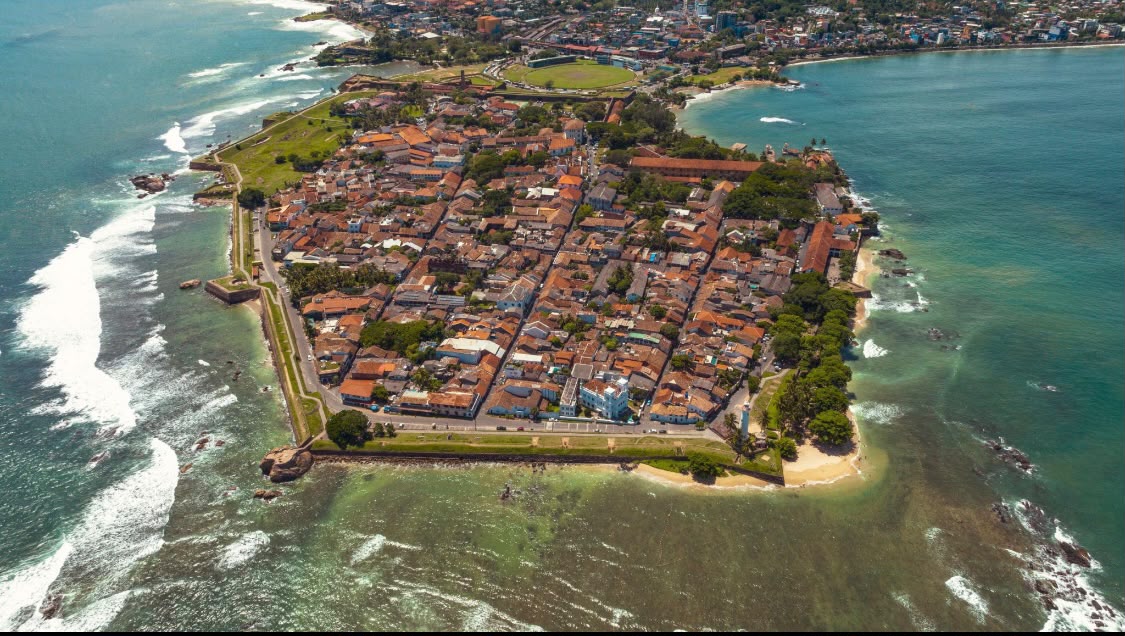 07
Galle
Discover More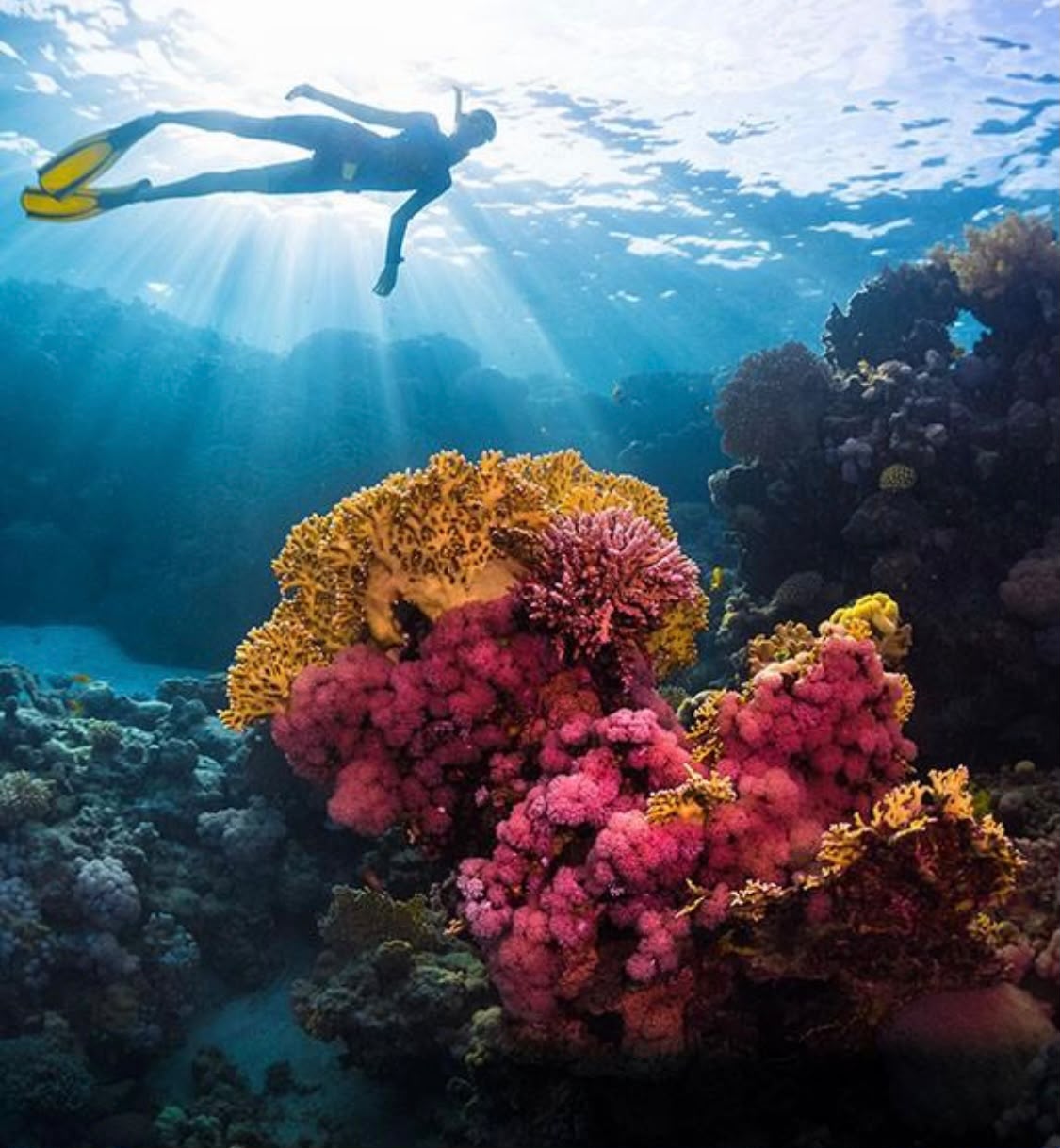 08
Hikkaduwa
Discover More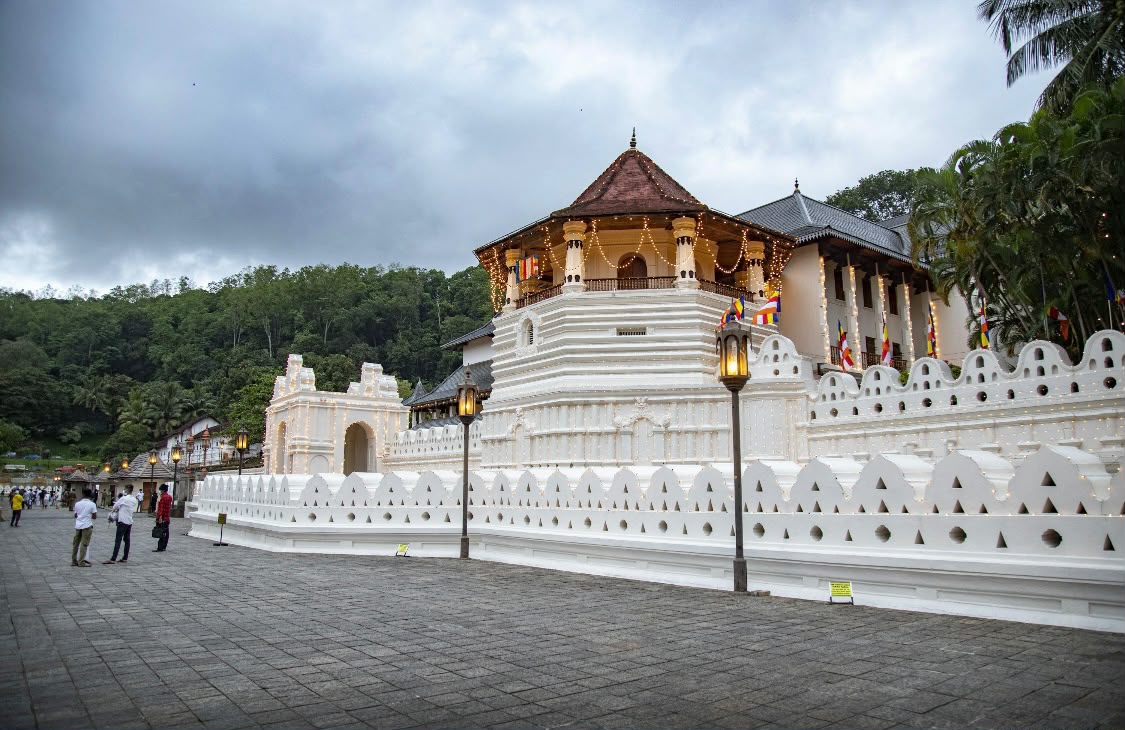 09
Kandy
Discover More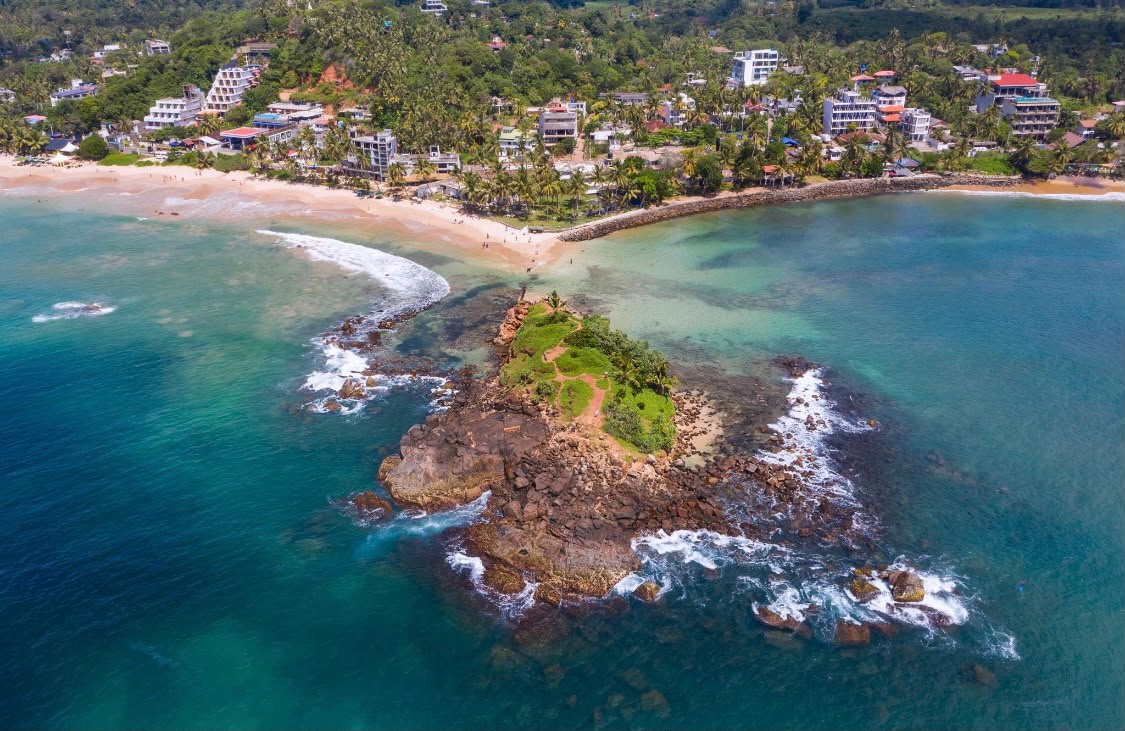 10
Mirissa
Discover More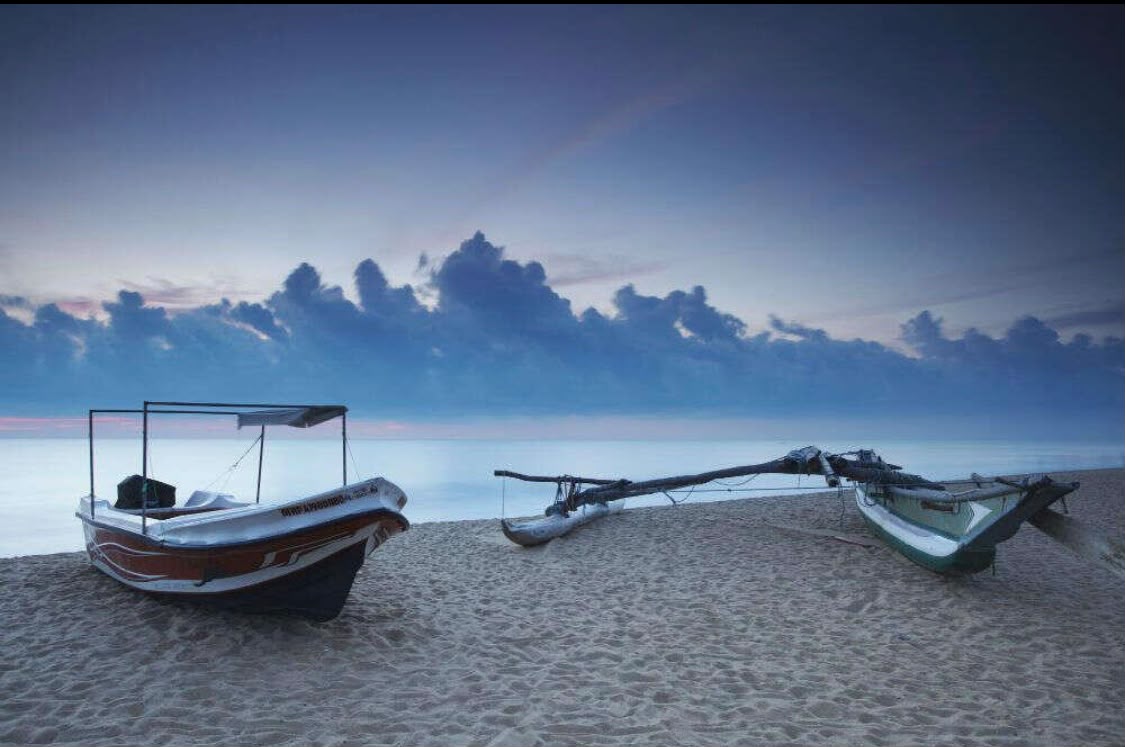 11
Negombo
Discover More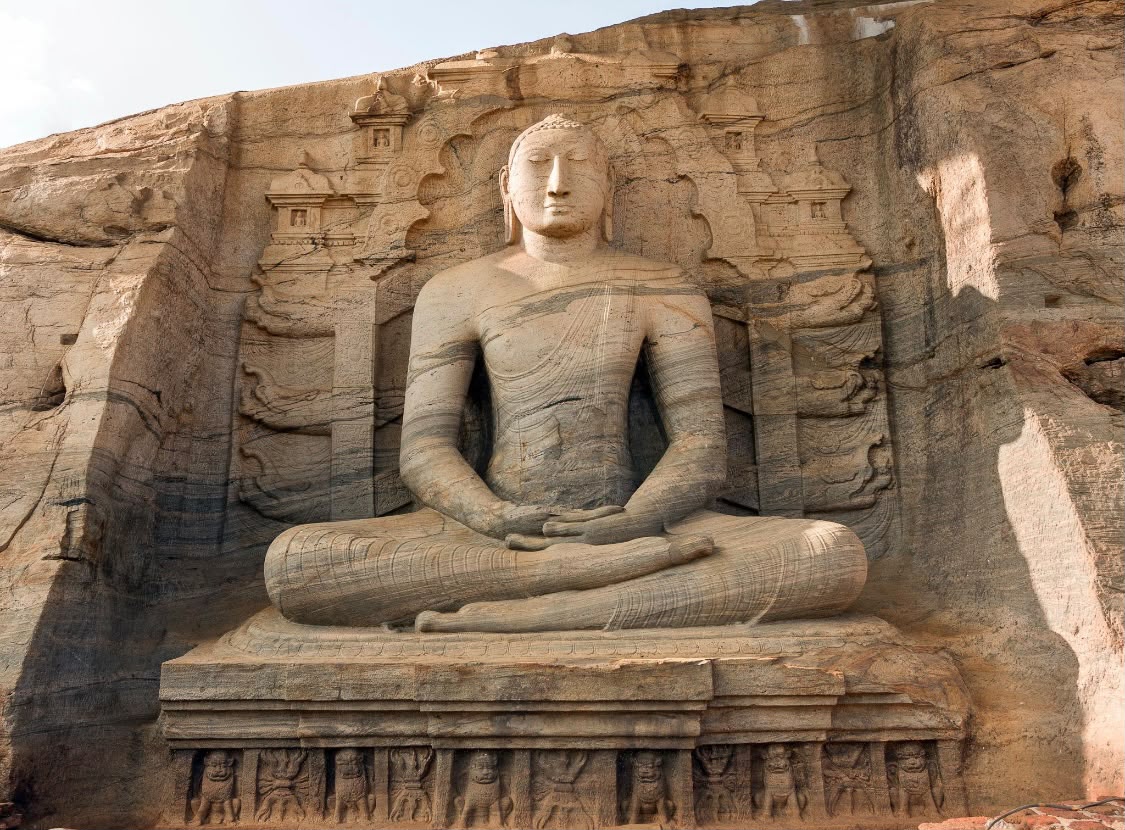 12
Polonnaruwa
Discover More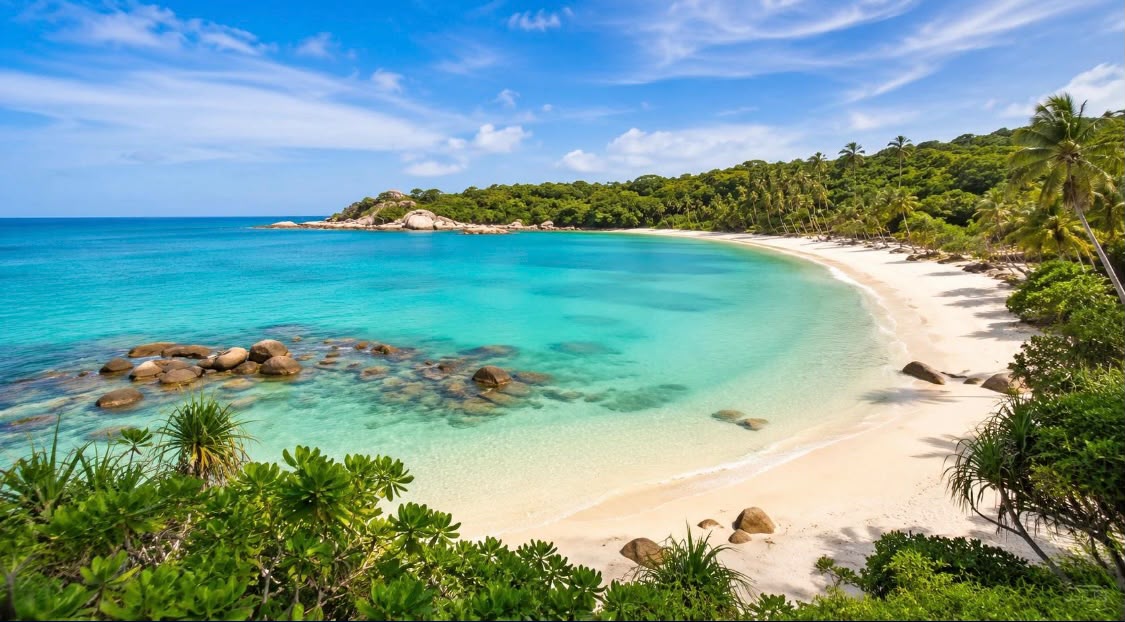 13
Trincomalee
Discover More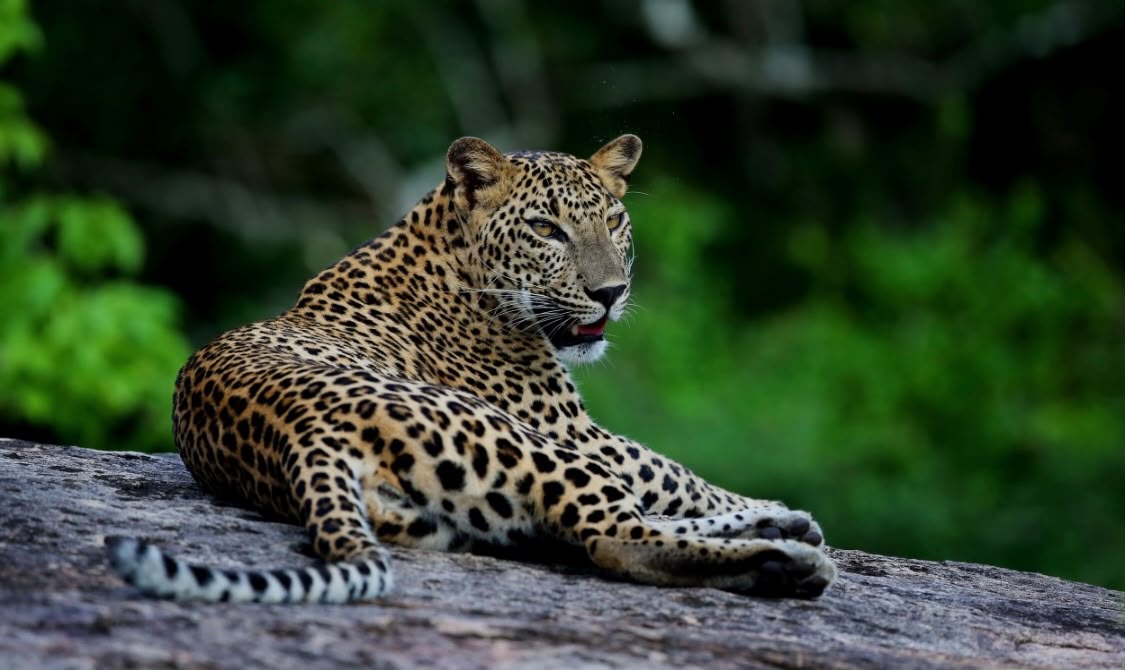 14
Yala
Discover MoreGet To Know Sri Lanka
Explore the stories, landscapes and experiences that make each destination unique. From ancient civilisations and sacred temples to mountain villages and beautiful coastlines, discover what awaits you across the island.
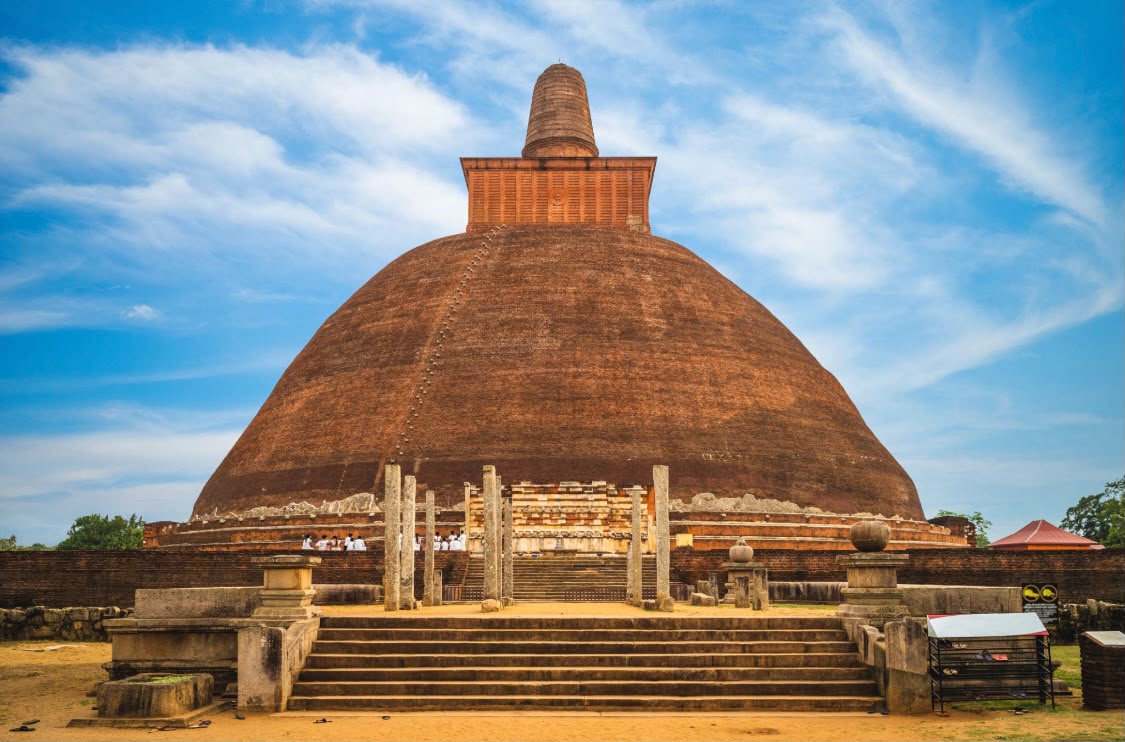
Anuradhapura
Anuradhapura is one of Sri Lanka’s most important ancient cities and one of the country's most significant Buddhist heritage destinations. Established around the 4th–5th century BC, it flourished for more than a millennium as a political and religious centre of ancient Sri Lanka.
Today, the Sacred City of Anuradhapura is a UNESCO World Heritage Site. Visitors can explore monumental stupas, ancient monasteries, royal ruins, sacred trees, stone carvings, reservoirs and remarkable archaeological remains.
Anuradhapura is not simply an archaeological site. It remains an important living pilgrimage destination for Buddhists from Sri Lanka and around the world.
Anuradhapura brings together ancient history, Buddhism, archaeology, architecture, engineering and living culture in one extraordinary destination.
Why Visit Anuradhapura?
For international travellers, the scale of the ancient city is one of its most remarkable features. Monumental stupas such as Ruwanweliseya, Abhayagiriya and Jetavanaramaya demonstrate the architectural and engineering achievements of ancient Sri Lanka.
For Buddhist visitors, the city has a deeper significance because of the Sri Maha Bodhi, traditionally associated with a sapling brought to Sri Lanka by Sanghamitta in the 3rd century BC.
Places to Visit in Anuradhapura
Depending on your available time, you can also explore Dakkhina Stupa, the Mahavihara Complex, Ratna Prasada, Elephant Pond, Vessagiriya, Basawakkulama, ancient stone bridges, monastic ruins, reservoirs and royal gardens.
The Background of Anuradhapura
Anuradhapura developed into the centre of ancient Sri Lankan political and religious life and remained an important capital for approximately 1,300 years. It flourished as a major religious centre following the introduction of Buddhism.
Over the centuries, successive kings constructed enormous stupas, monasteries, temples, palaces, gardens and irrigation systems. Large reservoirs and sophisticated water-management systems supported agriculture and urban life.
Following its decline as a capital, much of the ancient city became covered by vegetation. Today, its restored archaeological landscape offers visitors an opportunity to explore one of South Asia’s remarkable ancient urban and religious centres.
Why Is It Special for Foreign Travellers?
- Ancient Civilisation: Explore the remains of a city that served as a major political and religious centre for centuries.
- Living Buddhism: Experience a historic landscape that remains an active pilgrimage destination.
- Monumental Architecture: See enormous stupas and ancient structures.
- Ancient Engineering: Discover reservoirs, bathing ponds and irrigation systems.
- Art & Sculpture: Observe moonstones, guard stones, Buddha statues and ancient craftsmanship.
- Photography: Explore monuments, sculptures, nature and archaeological remains.
Travel Tips – Anuradhapura
- Wear clothing that covers shoulders and knees at sacred places.
- Remove shoes and hats where required.
- Start early to enjoy more comfortable sightseeing conditions.
- Carry sufficient drinking water and sun protection.
- Wear comfortable footwear for walking between sites.
- Respect worshippers, ceremonies and religious activities.
- Ask permission before photographing people.
- Consider a local guide to understand the history and symbolism of the ancient city.
Best Time to Visit
Anuradhapura can be visited throughout the year. Early mornings and late afternoons are generally more comfortable for outdoor sightseeing. Allow at least one full day to explore the major attractions, with additional time for deeper archaeological exploration.
Anuradhapura – More Than an Ancient City
Anuradhapura is a place where history and living culture meet. Enormous stupas rise above the landscape, pilgrims continue traditions that have lasted for centuries, and ancient monuments sit among trees, lakes and peaceful surroundings. Discover Anuradhapura with Ceylon Pearl Travels & Tours and walk through the ancient heart of Sri Lanka.
Sigiriya
Sigiriya is one of Sri Lanka’s most iconic historical landmarks and one of the island’s most spectacular cultural destinations. Rising dramatically above the surrounding forests, Sigiriya Rock Fortress is a UNESCO World Heritage Site and one of the most recognisable symbols of Sri Lanka.
Built during the reign of King Kashyapa I in the 5th century CE, Sigiriya combines ancient architecture, engineering, art, water gardens and breathtaking views.
Sigiriya is much more than a rock. It is an ancient royal citadel surrounded by carefully planned gardens, pools, pathways, defensive structures and archaeological remains.
Why Visit Sigiriya?
Visitors can climb the rock through ancient pathways and stairways, see the famous Sigiriya Frescoes, walk beside the Mirror Wall, explore the Lion’s Paw Terrace and reach the summit of the ancient fortress.
From the top, travellers can enjoy panoramic views across surrounding forests, villages and countryside. The nearby Pidurangala Rock offers another memorable viewpoint, especially around sunrise and sunset.
Places to Visit in Sigiriya
You can also explore ancient moats and ramparts, royal gardens, ponds and cisterns, caves and boulder shelters, nearby village areas, traditional village experiences and nature activities around the Cultural Triangle.
The Background of Sigiriya
Sigiriya became especially significant during the reign of King Kashyapa I, who established the rock fortress as a royal residence and stronghold in the 5th century CE.
The site was carefully designed with defensive structures, gardens, water systems, residential areas and religious spaces. Its combination of natural landscape and planned architecture demonstrates the advanced skills of the people who created it.
After the royal period, Sigiriya became associated with Buddhist monastic activity. Today, archaeological conservation has made it one of Sri Lanka’s most important heritage destinations.
Why Is Sigiriya Special for Foreign Travellers?
- Ancient Royal History: Explore the remains of a 5th-century royal citadel.
- UNESCO Heritage: Discover one of Sri Lanka’s internationally recognised cultural sites.
- Ancient Engineering: See sophisticated water gardens, pools and landscape planning.
- Art & Architecture: Experience the famous frescoes, Mirror Wall and stone structures.
- Spectacular Views: Enjoy panoramic scenery from the summit.
- Adventure: Make the climb itself part of your Sigiriya experience.
Travel Tips – Sigiriya
- Start early for a more comfortable climb.
- Wear comfortable shoes suitable for steps and uneven surfaces.
- Carry drinking water and sun protection.
- Take your time exploring the gardens, rock and summit.
- Be careful on steep stairways and follow site instructions.
- Respect restrictions around protected paintings and archaeological areas.
- Consider a local guide to understand the history and architecture.
Best Time to Visit
Sigiriya can be visited throughout the year. Early morning and late afternoon are generally preferable for outdoor sightseeing because of the heat. The rock climb can take approximately 1.5–3 hours, depending on your pace and stops.
Discover The Ancient Kingdom
From the impressive water gardens at the foot of the rock to the ancient remains at its summit, every part of Sigiriya tells a story about Sri Lanka’s extraordinary past. Discover Sigiriya with Ceylon Pearl Travels & Tours and climb into the ancient heart of Sri Lanka.
Nuwara Eliya
Nuwara Eliya is one of Sri Lanka’s most beautiful hill-country destinations, famous for its cool climate, green tea plantations, misty mountains, waterfalls and colonial-era charm. Located in the central highlands, the town sits at an elevation of around 1,800 metres above sea level.
Often known as “Little England,” Nuwara Eliya reflects a distinctive combination of Sri Lankan culture, British colonial heritage and spectacular mountain scenery.
Experience a refreshing side of Sri Lanka, where cool mountain air, endless tea plantations and peaceful highland landscapes create a world of their own.
Why Visit Nuwara Eliya?
Visitors can explore beautiful tea estates, walk through botanical gardens, enjoy cool mountain weather, visit waterfalls and discover historic buildings around the town.
The surrounding countryside is especially attractive for travellers who enjoy scenic drives, photography, nature and peaceful mountain environments.
Places to Visit in Nuwara Eliya
Other experiences include Ambewela Farm, strawberry farms, colonial-era buildings, local vegetable farms, tea estate viewpoints, highland villages, scenic railway journeys, local markets and traditional food.
The Background of Nuwara Eliya
Nuwara Eliya developed significantly during the British colonial period, particularly in the 19th century. Its cool climate attracted British officials and settlers who established homes, farms and recreational facilities in the area.
The region became an important centre for tea cultivation after the development of Sri Lanka’s tea industry. Today, the surrounding hills are covered with extensive tea plantations that form one of the most recognisable landscapes of the Sri Lankan highlands.
Although the town carries strong colonial influences, modern Nuwara Eliya is also deeply connected with Sri Lankan agriculture, local communities, religious traditions and tea culture.
Why Is It Special for Foreign Travellers?
- Cool Mountain Climate: Experience a refreshing change from the tropical coast.
- Tea Country: Explore Sri Lanka’s famous highland tea-growing region.
- Colonial Heritage: Discover historic buildings, gardens and architecture.
- Mountain Landscapes: Enjoy misty hills, valleys and spectacular viewpoints.
- Waterfalls: Visit beautiful waterfalls surrounded by lush scenery.
- Nature & Relaxation: Enjoy peaceful surroundings and fresh mountain air.
- Local Culture: Experience highland communities, agriculture and local life.
Travel Tips – Nuwara Eliya
- Bring warm clothing, especially for evenings and early mornings.
- Carry rain protection because mountain weather can change quickly.
- Wear comfortable shoes for gardens, estates and viewpoints.
- Start early for clearer mountain views.
- Visit a tea factory to learn about Ceylon Tea production.
- Take care on winding mountain roads, especially in mist or rain.
- Allow enough time to explore the surrounding countryside.
Best Time to Visit
Nuwara Eliya can be visited throughout the year. February to April is traditionally a popular period for visitors because of relatively pleasant weather and seasonal activities. Early mornings often provide the clearest mountain views.
Experience Sri Lanka’s Misty Highlands
From green tea-covered hills to misty landscapes surrounding the town, Nuwara Eliya offers travellers a chance to slow down, explore the highlands and experience the unique character of Sri Lanka’s tea country. Discover Nuwara Eliya with Ceylon Pearl Travels & Tours.
Colombo
Colombo is Sri Lanka’s commercial capital and one of the island’s most energetic destinations. It brings together modern city life, colonial architecture, religious landmarks, shopping districts, waterfront promenades and a lively food culture.
For travellers arriving in Sri Lanka, Colombo offers an interesting introduction to the island. Its streets reveal layers of history and culture, from historic buildings and temples to contemporary restaurants, markets and urban developments.
Why Visit Colombo?
Colombo is ideal for visitors who want to experience the everyday rhythm of Sri Lanka. Explore historic neighbourhoods, enjoy local food, discover religious landmarks, shop for souvenirs and watch the sunset beside the Indian Ocean.
Places to Visit in Colombo
Experience the City
Explore the historic Fort and Pettah districts, discover the city's diverse religious heritage, enjoy Sri Lankan street food and visit modern shopping destinations. Colombo also offers a variety of restaurants and cafés where visitors can experience local and international cuisine.
Best Time to Visit
Colombo can be visited throughout the year. Mornings and late afternoons are often more comfortable for walking and sightseeing. Allow one or two days to explore the city's main attractions at a relaxed pace.
Colombo – A Meeting Place of Cultures
From historic streets to oceanfront sunsets, Colombo offers a lively introduction to modern Sri Lanka. Discover the capital with Ceylon Pearl Travels & Tours.
Dambulla
Dambulla is one of Sri Lanka’s most important cultural destinations, known for its ancient cave temple complex, remarkable Buddhist paintings and historic sculptures. Located within the Cultural Triangle, it is an essential stop for travellers exploring the island’s ancient kingdoms.
The Golden Temple of Dambulla is a UNESCO World Heritage Site. Its cave shrines contain centuries of religious art, murals and Buddha images, creating an extraordinary place of worship and cultural importance.
Why Visit Dambulla?
Dambulla offers an opportunity to experience Sri Lanka’s Buddhist heritage in a unique natural setting. The cave temples combine rock formations, religious architecture, paintings and sculptures in a peaceful environment.
Places to Visit in Dambulla
History & Heritage
The cave temple complex developed over many centuries and became an important centre of Buddhist worship. Its caves preserve religious paintings and images that reflect changing artistic traditions and the continuing importance of Buddhism in Sri Lanka.
Travel Tips
- Wear clothing that covers shoulders and knees.
- Be prepared to walk uphill to reach the cave complex.
- Remove footwear where required.
- Carry water and sun protection.
- Follow photography rules and respect worshippers.
Best Time to Visit
Dambulla can be visited throughout the year. Early morning and late afternoon are generally more comfortable for exploring the temple and surrounding attractions. Allow a few hours for the cave complex and additional time if exploring the surrounding region.
Dambulla – Art, Faith & Ancient History
Discover remarkable cave paintings, sacred sculptures and centuries of Buddhist heritage in one of Sri Lanka’s most fascinating cultural destinations.
Ella
Ella is one of Sri Lanka’s most loved mountain destinations, famous for its spectacular viewpoints, tea plantations, waterfalls, hiking trails and relaxed village atmosphere. Surrounded by green hills and deep valleys, it offers an unforgettable experience for nature lovers and adventure seekers.
The journey to Ella is also part of the attraction. The scenic railway route through the central highlands is widely admired for its tea-covered mountains, forests, bridges and misty landscapes.
Why Visit Ella?
Ella combines outdoor adventure with peaceful mountain scenery. Visitors can enjoy hikes, panoramic viewpoints, local cafés, waterfalls and beautiful countryside while experiencing the slower pace of hill-country life.
Places to Visit in Ella
Nature & Adventure
Hiking is one of Ella’s most popular experiences. Little Adam’s Peak offers a relatively accessible walk with rewarding views, while Ella Rock provides a more challenging trek. The surrounding countryside also offers opportunities for photography, waterfall visits and scenic drives.
Travel Tips
- Wear comfortable walking or hiking shoes.
- Start hikes early to enjoy cooler conditions.
- Carry water and rain protection.
- Check local conditions before attempting longer hikes.
- Be careful near railway tracks and follow safety instructions.
Best Time to Visit
Ella can be visited throughout the year. Weather conditions vary, and rain or mist can affect mountain views. Early mornings often provide clearer scenery and more comfortable hiking conditions.
Ella – Where Every View Becomes a Memory
From famous railway bridges to breathtaking mountain trails, Ella invites you to slow down, explore and experience the natural beauty of Sri Lanka’s hill country.
Galle
Galle is one of Sri Lanka’s most distinctive coastal destinations, famous for its historic fort, colonial architecture, charming streets and ocean views. The Old Town of Galle and its fortifications are recognised as a UNESCO World Heritage Site.
Within the fort walls, visitors discover a fascinating blend of architectural influences, boutique shops, cafés, galleries, historic churches and everyday local life.
Why Visit Galle?
Galle is ideal for travellers who enjoy history, architecture, culture and coastal scenery. Its walkable streets and atmospheric buildings make it a memorable place to explore at a relaxed pace.
Places to Visit in Galle
History & Culture
Galle developed as an important trading port and later experienced Portuguese, Dutch and British colonial influences. The fort preserves much of this layered history through its buildings, defensive walls and street layout.
Travel Tips
- Explore the fort on foot and allow time for its small streets.
- Wear comfortable shoes for walking on historic surfaces.
- Visit the ramparts around sunset for beautiful coastal views.
- Respect religious sites and historic buildings.
- Explore local cafés, shops and galleries.
Best Time to Visit
Galle can be visited throughout the year. Mornings and late afternoons are particularly pleasant for walking around the fort. The southwest coast is generally popular during the drier months, although local weather conditions vary.
Galle – Where Heritage Meets the Ocean
Discover historic streets, impressive fortifications and unforgettable ocean views in one of Sri Lanka’s most charming coastal destinations.
Hikkaduwa
Hikkaduwa is a popular coastal destination on Sri Lanka’s southwest coast, known for its beaches, coral reef environment, surfing opportunities, ocean activities and relaxed seaside atmosphere.
It offers a lively combination of beach relaxation, local restaurants, water activities and coastal scenery, making it an appealing stop for travellers exploring the southern coastline.
Why Visit Hikkaduwa?
Hikkaduwa is a destination for travellers who enjoy the ocean. Depending on sea conditions and season, visitors can enjoy swimming in suitable areas, surfing, snorkelling, diving and boat excursions.
Places & Experiences in Hikkaduwa
Ocean & Local Experiences
The coastline is a popular place to enjoy sunsets, seafood, beach walks and water-based activities. Visitors interested in marine life should choose responsible operators and follow local guidance to protect the coastal environment.
Travel Tips
- Check sea and weather conditions before swimming or surfing.
- Use reef-safe practices and avoid touching coral or marine life.
- Choose responsible snorkelling and diving operators.
- Use sun protection and stay hydrated.
- Follow local beach safety advice.
Best Time to Visit
The southwest coast is generally most popular during the drier season, broadly from November to April. Sea conditions vary, so check local advice before planning water activities.
Hikkaduwa – A Beach Escape to Remember
From sunny shores to ocean adventures, Hikkaduwa offers a relaxed introduction to Sri Lanka’s beautiful southern coastline.
Kandy
Kandy is one of Sri Lanka’s most important cultural and religious destinations. Surrounded by green hills and centred around a beautiful lake, the city was the last royal capital of the island’s ancient kingdoms.
The Sacred Temple of the Tooth Relic is a major Buddhist pilgrimage site and an important part of Sri Lanka’s religious heritage. The city is also known for traditional dance, historic architecture and its annual Esala Perahera festival.
Why Visit Kandy?
Kandy offers a combination of spirituality, royal history, nature and local culture. It is an excellent destination for visitors who want to understand Sri Lankan traditions and explore the central highlands.
Places to Visit in Kandy
History & Traditions
Kandy remained an important royal centre until the British period. Its cultural traditions, religious ceremonies and historic sites continue to play an important role in Sri Lankan identity. The Esala Perahera is one of the island’s most celebrated annual cultural events.
Travel Tips
- Dress respectfully when visiting temples.
- Allow time for the Temple of the Tooth Relic.
- Check festival dates if you wish to experience the Perahera.
- Explore the lake and surrounding city on foot.
- Consider visiting nearby temples and botanical gardens.
Best Time to Visit
Kandy can be visited throughout the year. The Esala Perahera usually takes place around July or August, with exact dates varying annually. Weather conditions should be considered when planning outdoor visits.
Kandy – A City of Tradition and Faith
Discover sacred landmarks, royal history and vibrant cultural traditions in the beautiful hill capital of Sri Lanka.
Mirissa
Mirissa is one of Sri Lanka’s most popular beach destinations, known for its golden shoreline, turquoise waters, palm-lined scenery and relaxed coastal atmosphere. It is an appealing destination for couples, beach lovers and travellers looking for a peaceful seaside escape.
Why Visit Mirissa?
Mirissa offers beautiful beaches, coastal cafés, surfing opportunities and seasonal whale-watching excursions. Its laid-back atmosphere makes it a wonderful place to slow down and enjoy the Indian Ocean.
Places & Experiences in Mirissa
Ocean Experiences
Depending on the season and sea conditions, visitors can enjoy swimming in suitable areas, surfing, boat excursions and coastal photography. Whale-watching trips are seasonal and sightings are never guaranteed, so choose responsible operators that follow marine wildlife guidelines.
Travel Tips
- Check local sea conditions before swimming.
- Use sun protection and drink plenty of water.
- Book marine excursions with responsible operators.
- Respect marine wildlife and maintain safe distances.
- Enjoy the beach responsibly and avoid leaving waste.
Best Time to Visit
The southwest coast is generally popular from November to April. Whale-watching opportunities depend on seasonal marine conditions and operator schedules.
Mirissa – Relax, Explore and Enjoy the Ocean
Discover beautiful beaches, tropical scenery and unforgettable coastal experiences in one of Sri Lanka’s favourite seaside destinations.
Negombo
Negombo is a coastal town close to Bandaranaike International Airport, making it a convenient first or final stop on a Sri Lankan holiday. Known for its fishing heritage, beaches, lagoon, canals and historic churches, Negombo offers an interesting introduction to local coastal life.
Why Visit Negombo?
Negombo combines seaside relaxation with a strong fishing culture and historic character. Visitors can explore the fish market, enjoy fresh seafood, take a lagoon excursion and discover the town’s religious and colonial heritage.
Places to Visit in Negombo
Local Life & Heritage
Fishing has long played an important role in Negombo’s economy and identity. Its lagoon and coastal waters support local communities, while the town’s churches and historic buildings reflect a varied cultural past.
Travel Tips
- Explore the fish market early in the morning.
- Choose suitable and reputable lagoon tour operators.
- Enjoy local seafood from trusted restaurants.
- Respect religious sites and local communities.
- Allow time to relax after a long international flight.
Best Time to Visit
Negombo can be visited throughout the year. The southwest coast is generally drier from November to April. Mornings are a good time to explore the fishing areas and lagoon surroundings.
Negombo – A Warm Welcome to Sri Lanka
Discover fishing traditions, coastal scenery and local hospitality in a town that offers a memorable introduction to the island.
Polonnaruwa
Polonnaruwa is one of Sri Lanka’s most remarkable archaeological destinations. Once the island’s medieval capital, it preserves an impressive collection of royal buildings, Buddhist monuments, stone sculptures, ancient reservoirs and garden landscapes.
The Ancient City of Polonnaruwa is a UNESCO World Heritage Site and an essential destination for travellers interested in the history of Sri Lanka’s kingdoms.
Why Visit Polonnaruwa?
Polonnaruwa offers a fascinating look into ancient urban planning, religious architecture and water management. The archaeological area is spread across a large landscape and can be explored by bicycle, vehicle or on foot.
Places to Visit in Polonnaruwa
History & Engineering
Polonnaruwa became a major capital after the decline of Anuradhapura. Its rulers developed monumental buildings, religious centres and large-scale irrigation works. Parakrama Samudra, an enormous ancient reservoir, reflects the importance of water management to the kingdom.
Travel Tips
- Start early to explore the archaeological area comfortably.
- Carry water and sun protection.
- Wear comfortable shoes for walking between monuments.
- Dress respectfully at religious locations.
- Consider a bicycle or local guide for a wider exploration.
Best Time to Visit
Polonnaruwa can be visited throughout the year. Early mornings and late afternoons are generally more comfortable for outdoor exploration. Allow a full day to explore the principal archaeological sites.
Polonnaruwa – A Legacy Carved in Stone
Explore monumental architecture, ancient engineering and remarkable sculptures in a city that preserves the story of one of Sri Lanka’s great kingdoms.
Trincomalee
Trincomalee is a beautiful coastal destination on Sri Lanka’s eastern shore, known for its natural harbour, clear-water beaches, Hindu heritage and marine experiences. It offers a different coastal atmosphere from the island’s southern and western beaches.
Why Visit Trincomalee?
Visitors can enjoy relaxing beach days, explore historic religious sites, discover coastal viewpoints and take seasonal marine excursions. Nearby Nilaveli and Uppuveli are particularly popular for their beautiful stretches of sand.
Places to Visit in Trincomalee
Nature & Coastal Experiences
Trincomalee is known for its marine environment and beautiful beaches. Snorkelling and diving around Pigeon Island are popular when conditions permit. Seasonal whale-watching excursions may also be available, depending on marine conditions and responsible operator schedules.
Travel Tips
- Check sea conditions before swimming or boating.
- Use responsible snorkelling and diving operators.
- Protect coral reefs and marine wildlife.
- Dress respectfully when visiting Koneswaram Temple.
- Carry sun protection and drinking water.
Best Time to Visit
The east coast is generally most popular during its drier season, broadly from May to September. Weather and sea conditions vary, so check local information before arranging water activities.
Trincomalee – Where Ocean Beauty Meets Heritage
Enjoy beautiful beaches, fascinating coastal history and unforgettable marine experiences in one of Sri Lanka’s most attractive eastern destinations.
Yala
Yala is one of Sri Lanka’s best-known wildlife destinations, famous for its national park, diverse ecosystems and opportunities to observe animals in their natural environment. The park includes forests, grasslands, lagoons, wetlands and coastal landscapes.
Yala is especially associated with the Sri Lankan leopard, but it is also home to elephants, crocodiles, deer, monkeys, sloth bears and a wide variety of birdlife.
Why Visit Yala?
A safari in Yala offers travellers an opportunity to experience Sri Lanka’s natural heritage. Exploring the park with a qualified safari guide can help visitors understand its wildlife, habitats and conservation importance.
Places & Experiences Around Yala
Wildlife & Conservation
Yala supports a diverse range of wildlife and habitats. Animal sightings are never guaranteed, and visitors should remember that the park is a natural environment rather than a zoo. Responsible safari practices help protect wildlife and reduce disturbance.
Travel Tips
- Choose a responsible safari operator and experienced driver.
- Follow park rules and never feed or approach wild animals.
- Keep noise to a minimum during wildlife viewing.
- Bring binoculars, a camera and sun protection.
- Carry water and wear comfortable clothing.
- Remember that wildlife sightings cannot be guaranteed.
Best Time to Visit
Yala is generally visited during the drier months, although wildlife conditions and park access vary seasonally. Some sections may close periodically for conservation or management. Check current park arrangements before travelling.
Yala – A Journey into the Natural World
Explore remarkable landscapes, discover extraordinary wildlife and experience the beauty of Sri Lanka’s wilderness with a responsible safari experience.
Ready to Discover
Sri Lanka?
Whether you dream of ancient cities, mountain escapes, beautiful beaches or unforgettable wildlife experiences, let us help you plan a journey that reflects your interests and travel style.